
Compassion Meditation
Neurosteer • October 18, 2018

Matthieu Ricard is one of the Buddhist monks that is most studied by Neuroscientists. His compassion meditation was contrasted with Indian breathing and mindfulness meditations by leading researchers. Matthieu joined Professor Steven Laureys for meditation and dialogue. Neurosteer monitored the brain activity during his compassion meditation, which looks very different from other meditations. We are excited to see a shift from multiple electrodes and fMRI to our single EEG channel.
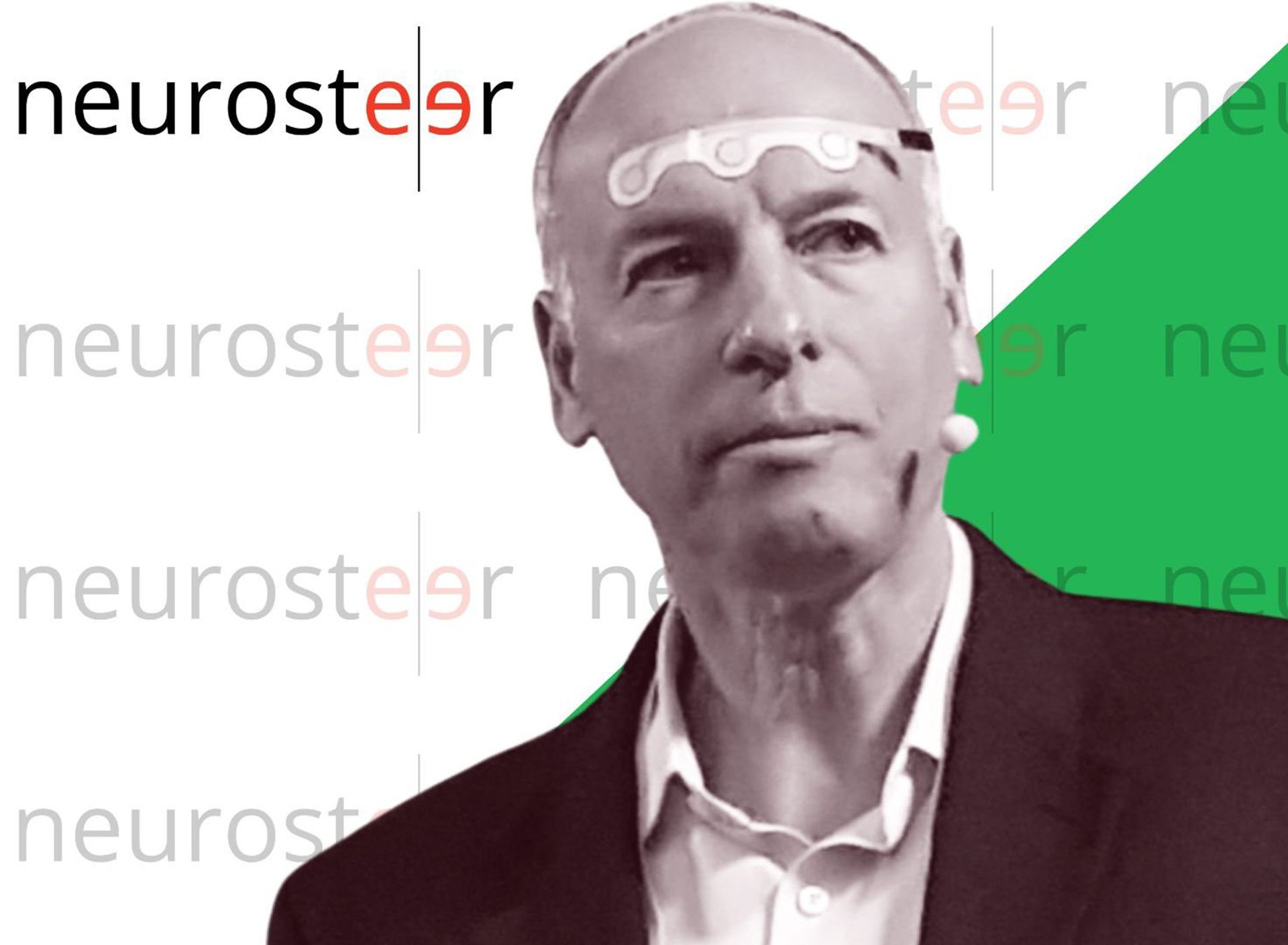
Under the direction of signal processing expert Nathan Intrator, PhD, Neurosteer’s team has created an affordable and accessible device that measures minute electrical brain activity. Their device can help patients and providers manage brain conditions more effectively and proactively.
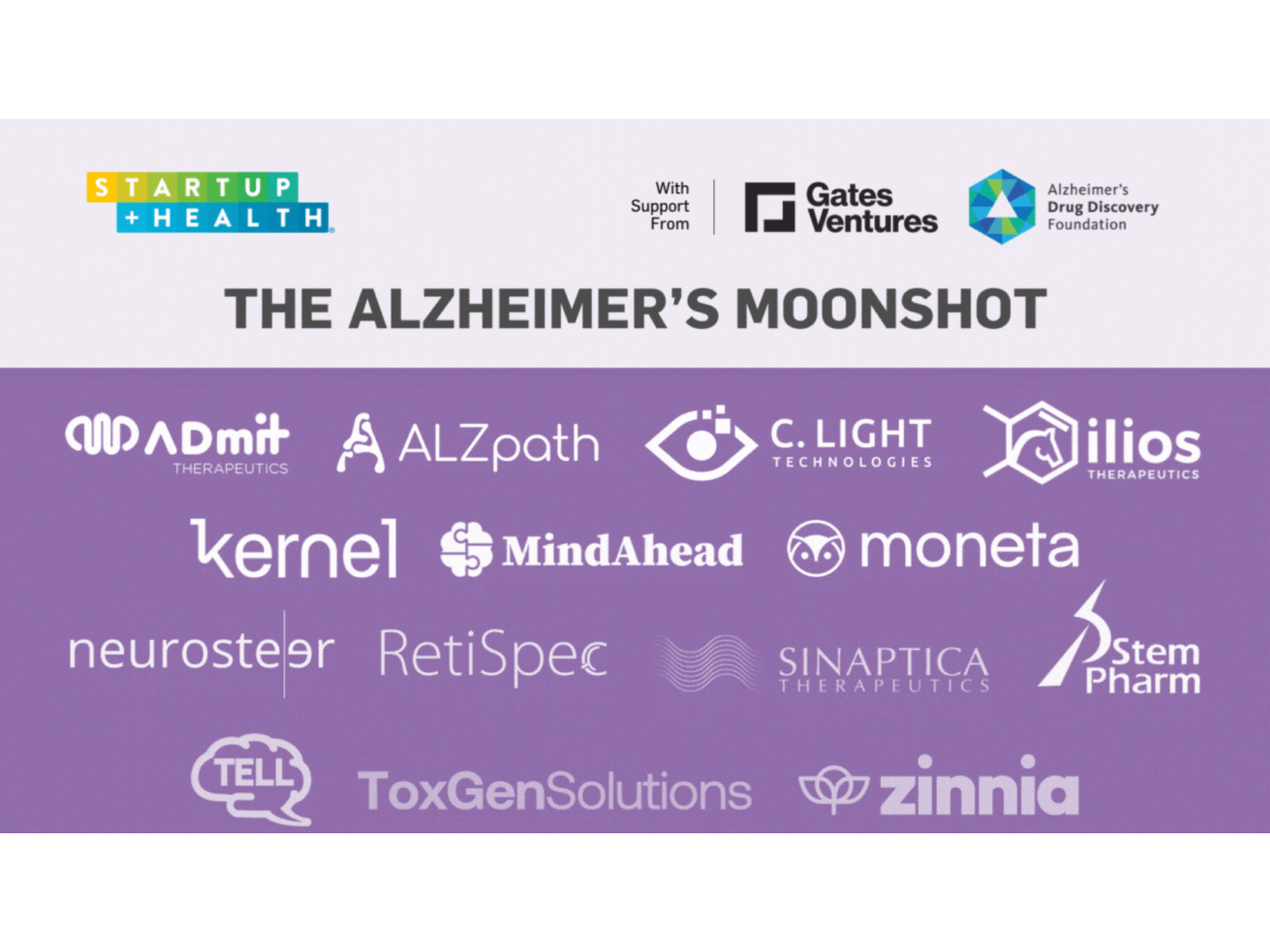
Neurosteer has been selected into a small group out of 100+ companies that were identified as key players in the detection and treatment of Alzheimer’s. The Alzheimer’s Moonshot initiative is backed by $100M from Gates, Bezos, Lauder, the Dolby Foundation, and the Alzheimer's Drug Discovery Foundation (ADDF).
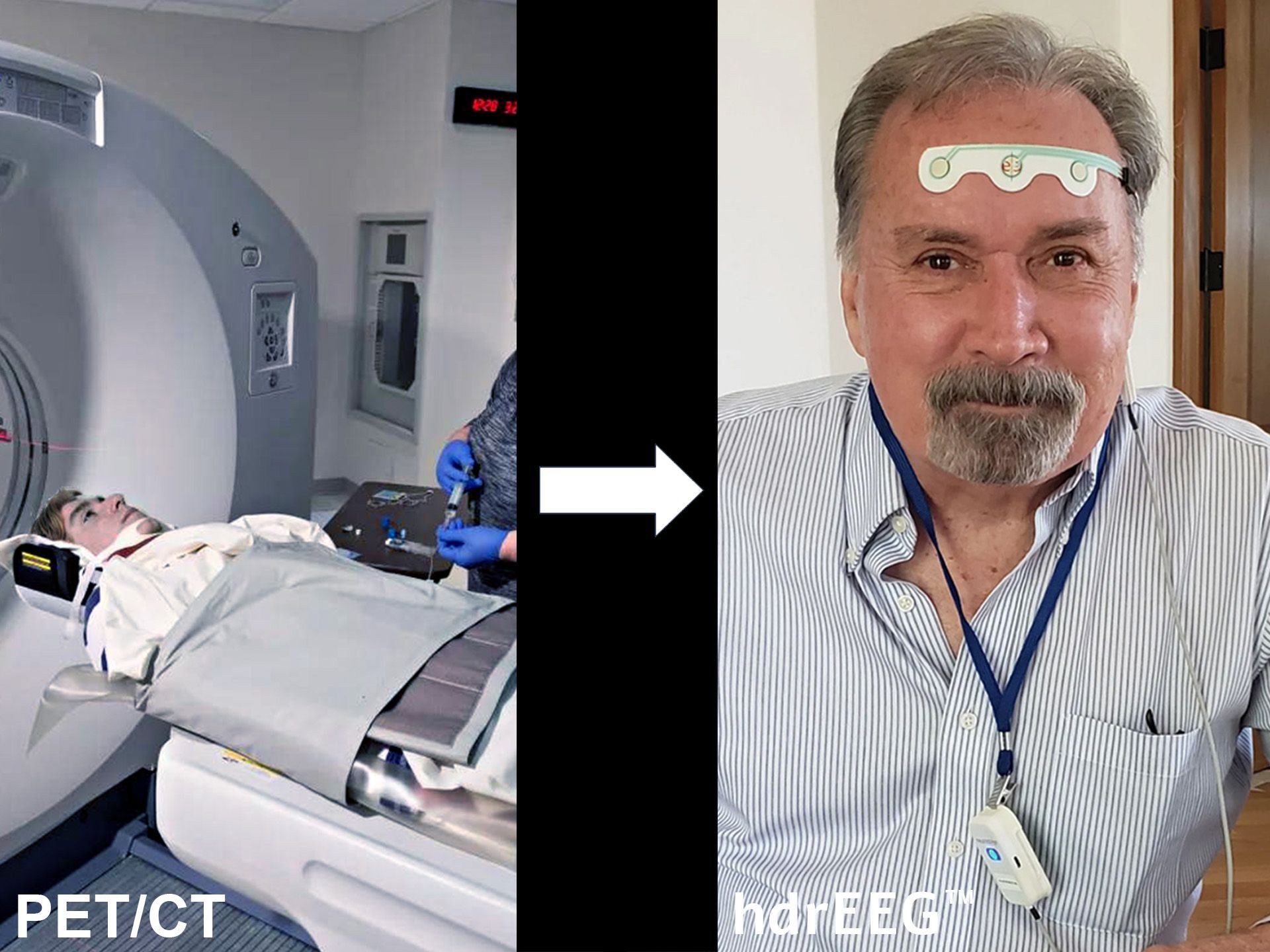
Neurosteer Inc. announces the publication of our groundbreaking paper in Frontiers in Neurology detailing a revolutionary approach to Parkinson's disease detection and differentiation using our pocket-sized hdrEEG™ system and a rapid 15-minute auditory assessment.disorders.
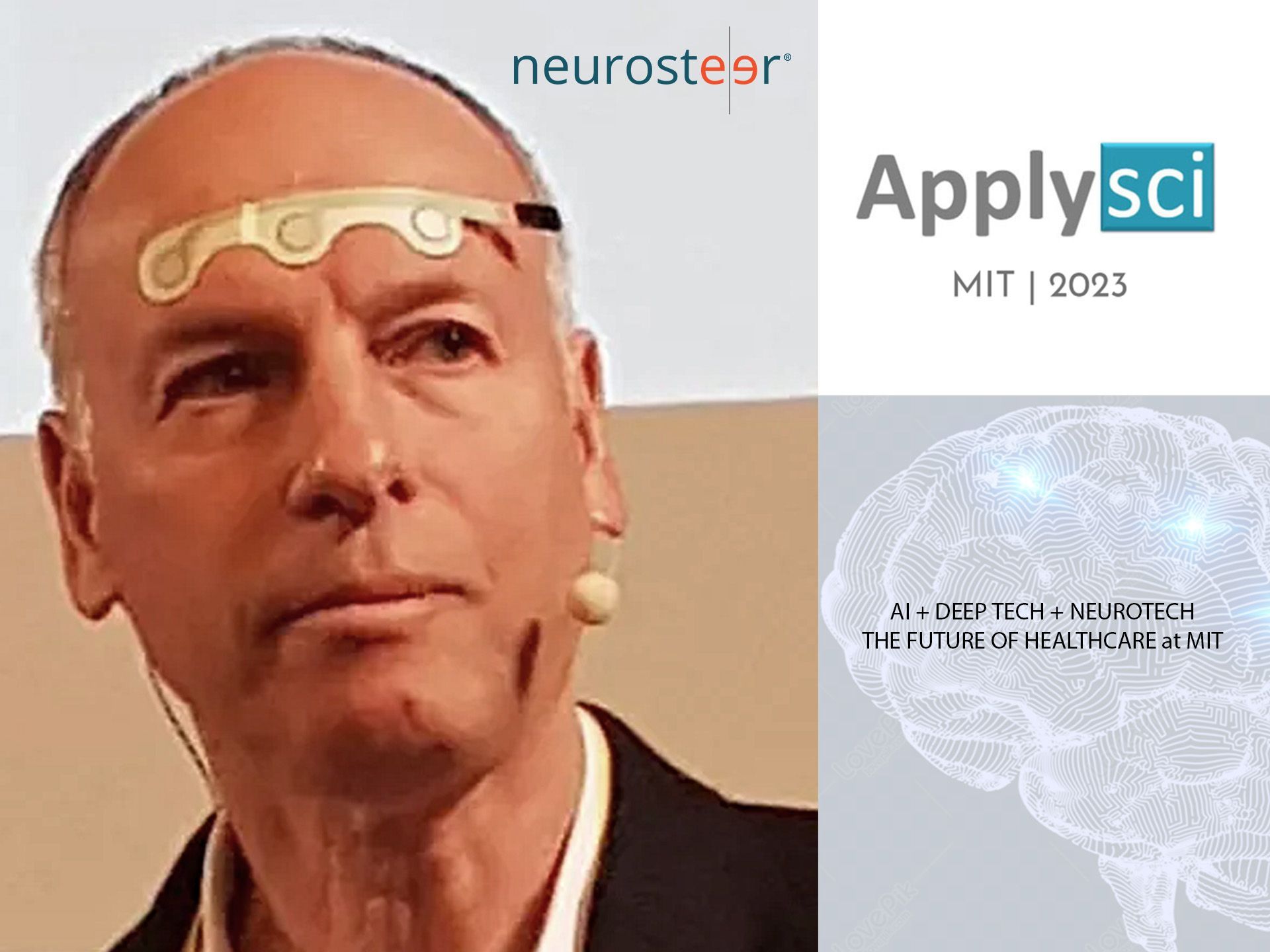
Neurosteer founder and CEO, Nathan Intrator PhD, has been invited to be a main speaker at the ApplySci AI + Deep Tech + NeuroTech conference at MIT later this month.
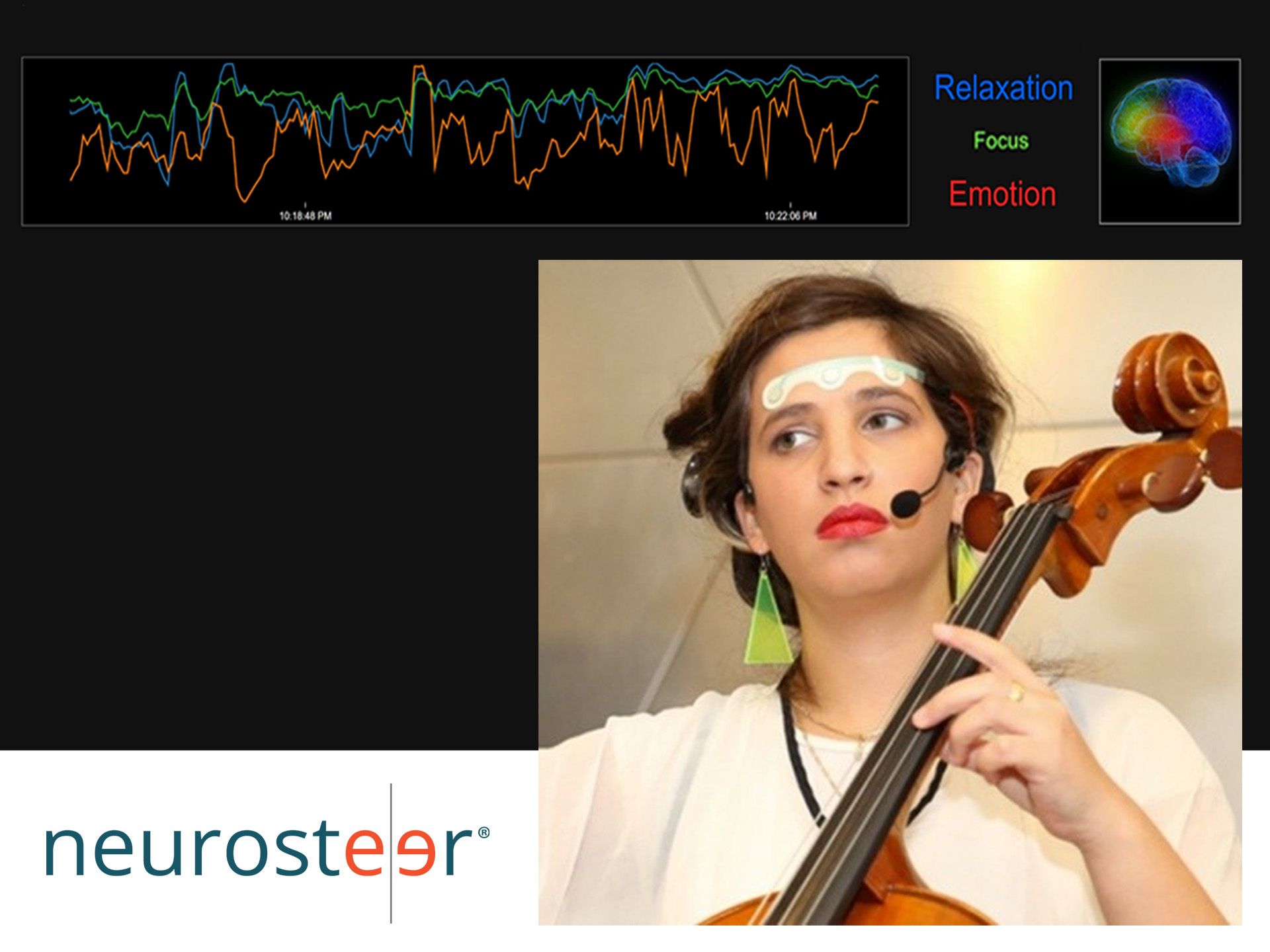
In “This Is What Music Does to Your Brain,” Yael Hallak of Haaretz writes that new research is exploring how to use music to bring people closer and even to diagnose cognitive decline in the elderly.

Neurosteer Inc. announces FDA clearance of its Neurosteer® single-channel EEG brain monitoring platform. The clearance allows Neurosteer’s unobtrusive multi-purpose system to be used in a broad range of clinical settings, including the ICU, a doctor’s office, and pharma drug trials.
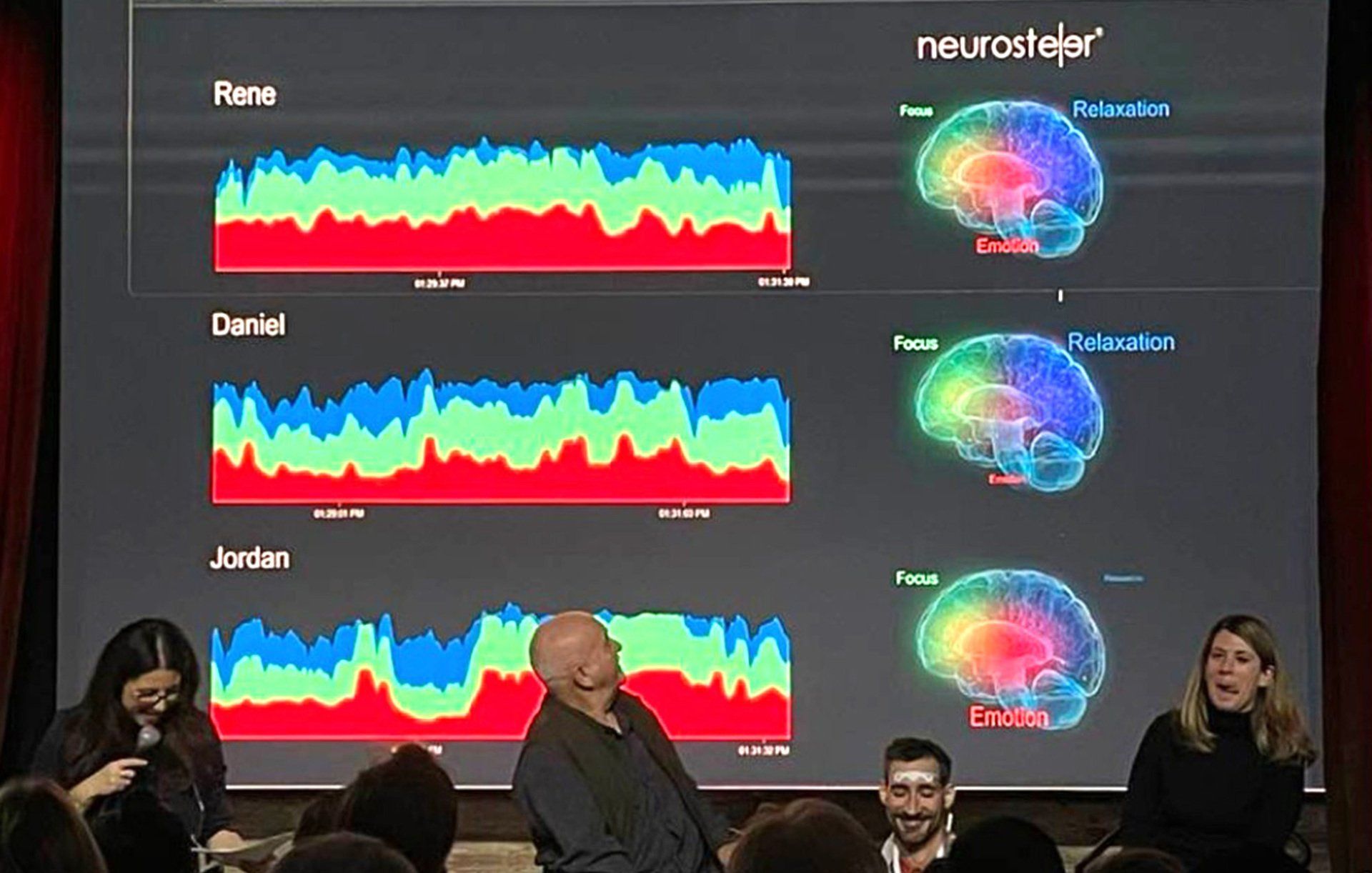
Neurosteer participated in Peter Gabriel’s event at the Fotografiska Museum in NYC, demonstrating the effect of music and meditation on the brain using real-time graphics by displaying brain activity as it related to the intensity of focus, relaxation, and emotion.
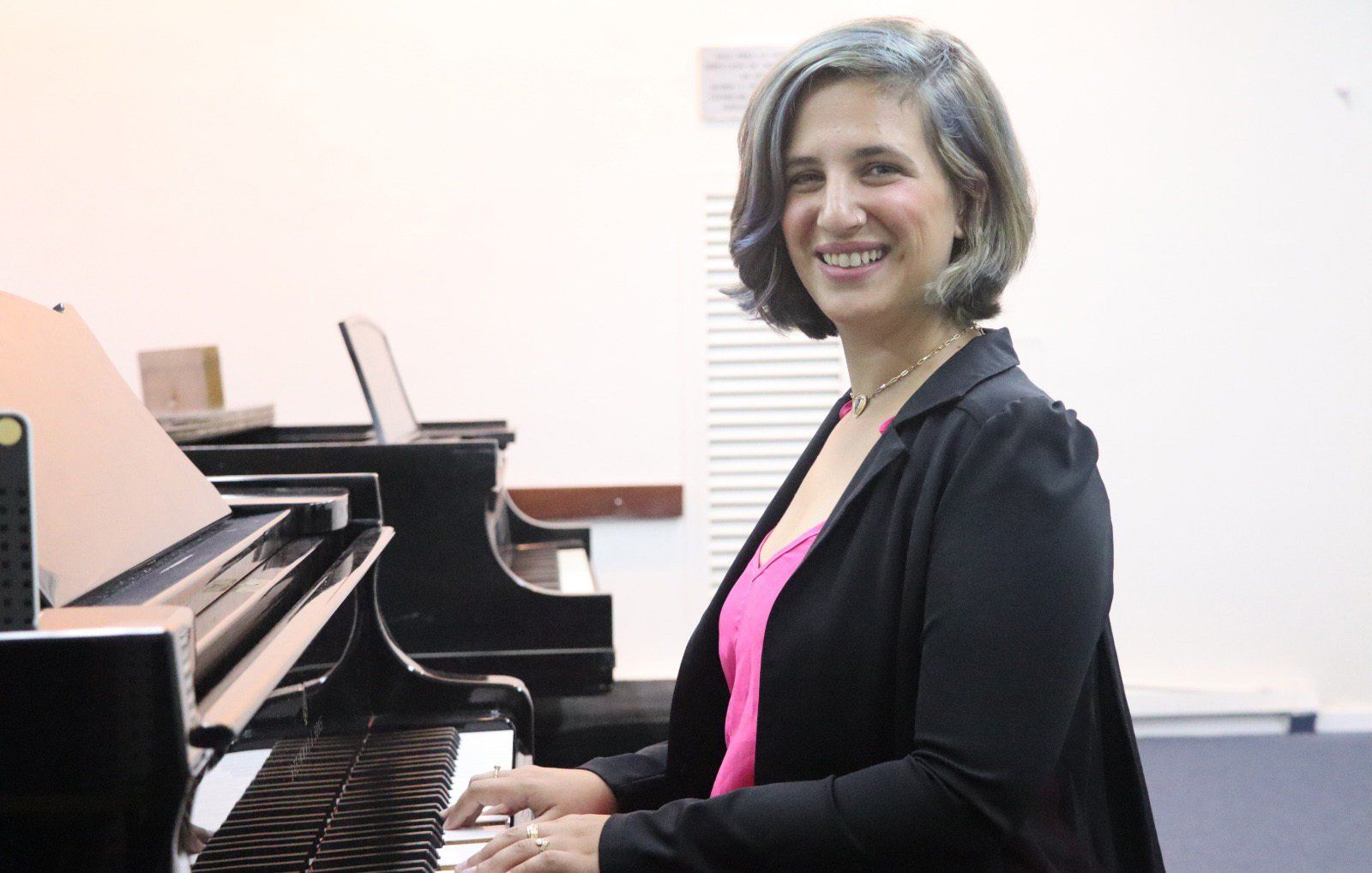
A Tel Aviv University PhD student, Neta Maimon, came up with a 15-minute test that supports early detection of cognitive decline. The test uses musical cues in conjunction with Neurosteer’s EEG brain monitoring system to track brain function as elderly people listen to music.
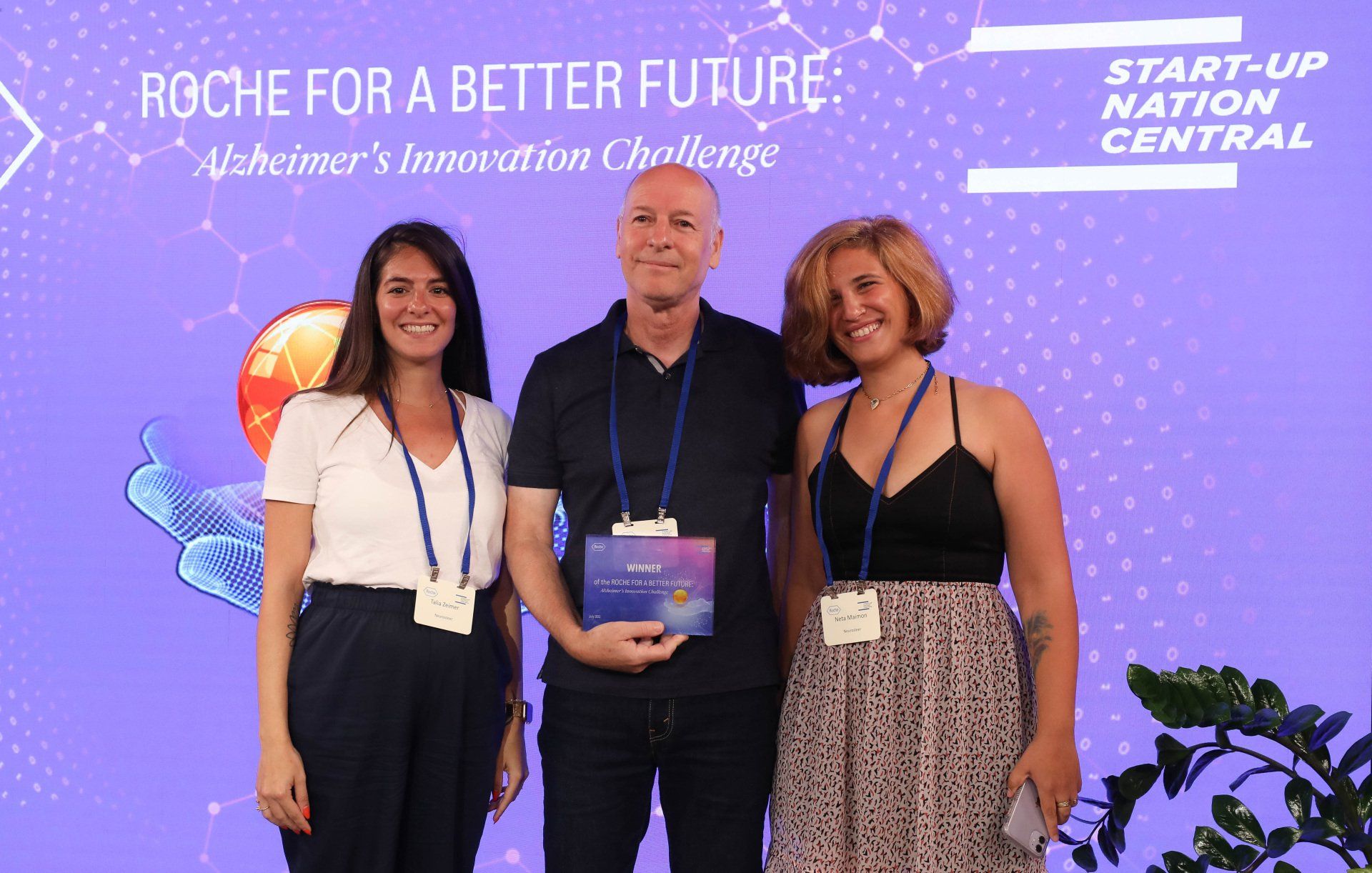
Neurosteer was the winner of the Roche for a Better Future: Alzheimer’s Innovation Challenge
, launched by Roche and Start-Up Nation Central with the vision of early detection and enhanced digital health support for Alzheimer’s disease patients and their caregivers.
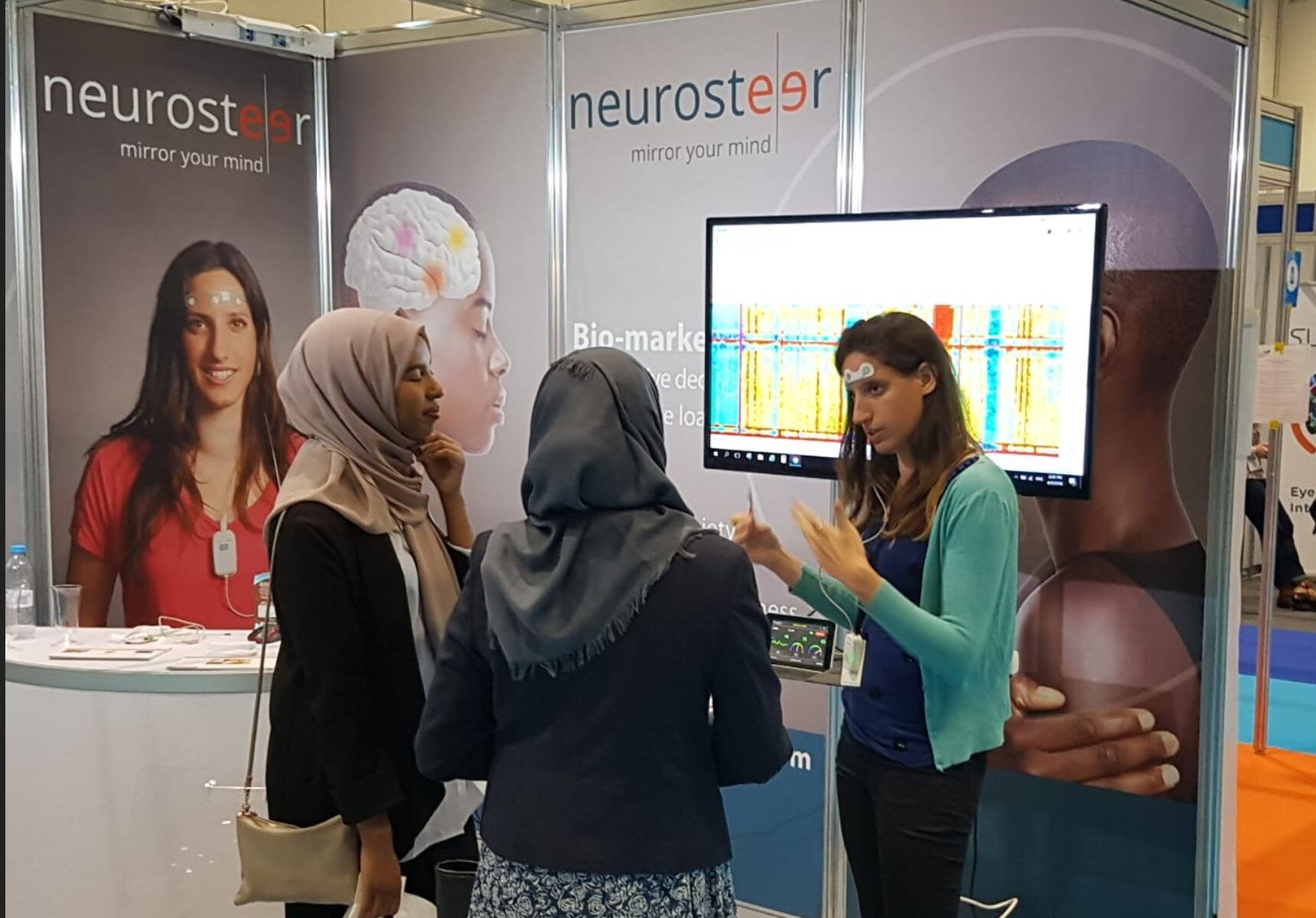
Neurosteer received the “Brain Health Company of the Year” award from Tradex News
. It has been a great year for us, most notably in improving our product for early screening of Alzheimer’s, Parkinson’s and fronto-temporal dementia.